
The Hidden Costs of Real Estate Investing — Beware the “Shiny Numbers”
Many investors focus on attractive returns in real estate but overlook the true expenses that impact profitability. This blog breaks down the hidden costs every investor must understand before buying property.
REAL ESTATE
10/15/20252 min read
The Hidden Costs of Real Estate Investing — Beware the “Shiny Numbers”
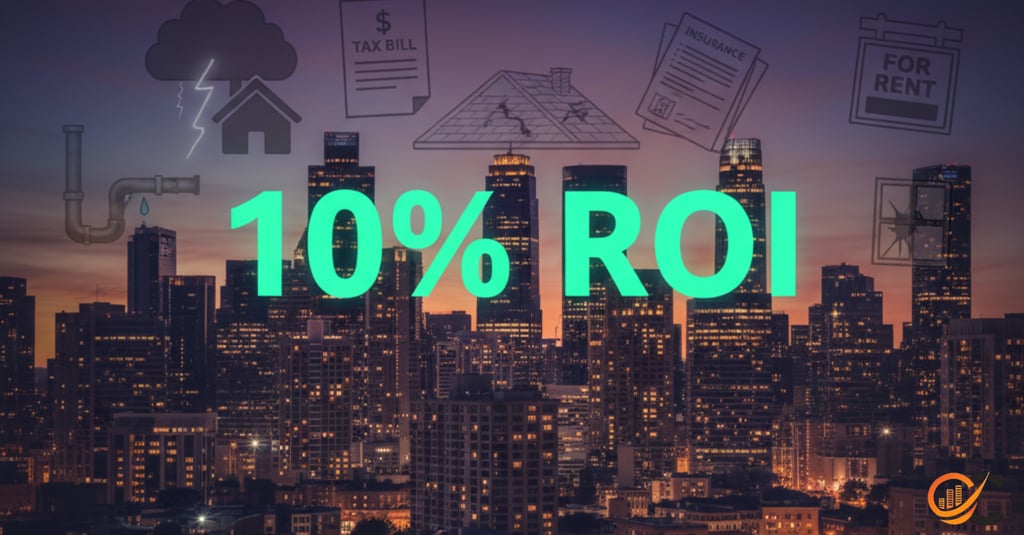
Real estate is often seen as one of the safest, most profitable investment paths. Scroll through any property listing and you’ll see bold ROI percentages, promising rental income projections, and captivating phrases like “high returns” or “prime investment opportunity.”
But here’s the truth:
Most investors overestimate returns and underestimate costs.
While the numbers on paper may look impressive, real-world realities often tell a different story. A property that appears to deliver a solid 8–12% ROI can quickly drop to 3–5% once hidden expenses start adding up.
1. Property Taxes: The Silent Profit Killer
Many cities — especially growing markets — have seen notable increases in property taxes over the past few years.
Even a minor tax hike can dramatically affect your yearly net income.
Example:
A $300,000 property with a 2% tax rate costs $6,000 annually.
A rise to 2.3% adds $900 per year — directly cutting into your returns.
2. Insurance Costs Are Rising Nationwide
From hurricanes to hail to wildfires, extreme weather events are becoming more frequent and more expensive.
Insurance premiums in many states have climbed sharply — some regions have seen increases of 15–30% year over year.
If you invest without factoring in potential insurance volatility, your profit projections will always be inflated.
3. Weather & Structural Damage
Even if a property is in a “safe” area, storms, excessive heat, or flooding can cause sudden damage.
Common repair surprises include:
Roof leaks
Mold remediation
HVAC failures
Foundation cracks
Broken gutters or siding
These are rarely included in “estimated repair costs” shown by agents or sellers.
4. Vacancy Periods — The Most Overlooked Expense
Many investors assume stable occupancy — but the market doesn’t always cooperate.
Vacancy can be caused by:
Market slowdowns
Tenant turnover
Seasonal renting patterns
Delayed repairs or renovations
Even just one empty month can wipe out thousands in projected rent.
5. Maintenance & Miscellaneous Costs Add Up Quickly
Everything breaks eventually — appliances, flooring, plumbing, landscaping, paint, fixtures.
Most investors don’t budget enough for:
Regular maintenance
Emergency repairs
Annual inspections
Cleaning between tenants
A good rule of thumb is to allocate 1–3% of the property value per year for maintenance — but many first-time investors skip this entirely.
💡 Investment Tip: Beware the “Shiny Numbers”
The advertised return is never the real return.
True profitability emerges after factoring in:
✔️ Taxes
✔️ Insurance
✔️ Repairs
✔️ Property management
✔️ Maintenance
✔️ Vacancy
✔️ Renovations
Successful investors focus less on “projected ROI” and more on net, realistic returns.
Conclusion
Real estate is still one of the strongest ways to build long-term wealth — but only if investors calculate the actual cost of ownership. Don’t fall for inflated ROI claims or overly optimistic projections.
Smart investing begins with understanding the hidden costs.